Blog
5 AI Integrations That Turn Your Virtual Assistant into a Growth Engine
May 12, 2026 · Mauricio Montaldo
Virtual assistants have evolved far beyond their origins as basic administrative support. Today, they function as strategic partners—managing operations, coordinating workflows, and driving business outcomes.
- Top 1% applicants
- Time-zone aligned
- 98% retention
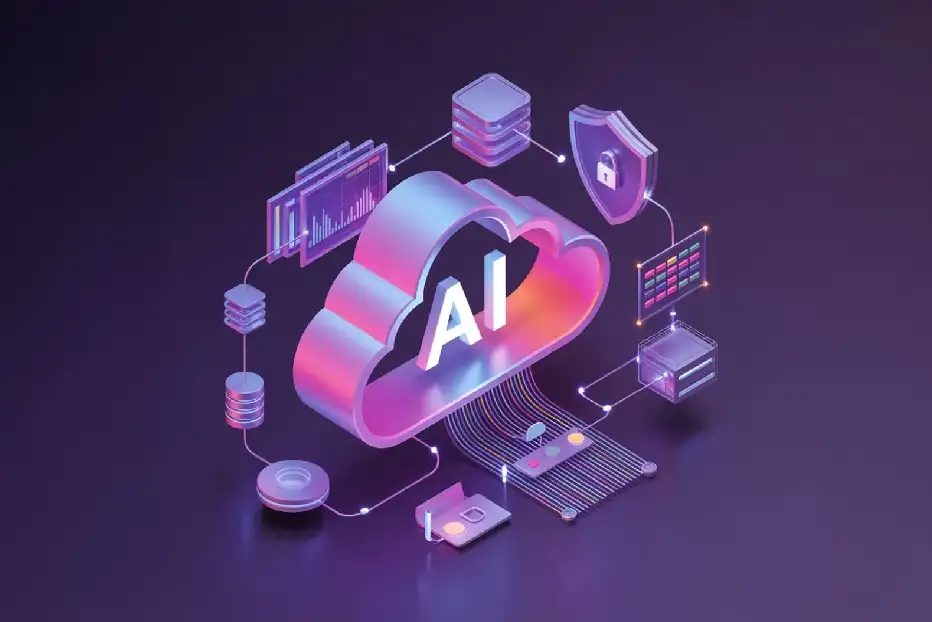
But what’s powering that evolution? In most cases, the answer is AI.
When AI is integrated thoughtfully with a virtual assistant, the combination can automate repetitive tasks, reduce errors, personalize customer experiences, and inform faster, data-driven decisions. Yet despite this potential, many businesses still struggle to make the integration work in practice.
This guide breaks down why the combination matters, how to set it up correctly, and five practical ways to make it work.
Why Businesses Are Pairing AI with Virtual Assistants
AI excels at processing large volumes of data, identifying patterns, and executing rules-based tasks at speed. Virtual assistants bring contextual judgment, relationship management, and the kind of adaptive thinking that AI still struggles to replicate reliably. Together, they cover each other’s gaps.
In practical terms: AI can flag a priority lead from a CRM, but a virtual assistant decides how to approach that conversation. AI can draft a client-facing email, but a virtual assistant ensures the tone matches the relationship. The result is a workflow that’s faster than human-only execution and more reliable than AI working alone.
How to Integrate AI with a Virtual Assistant: 5 Practical Steps
1. Identify the Right Tasks to Automate
Start by auditing your operations. Which tasks are high-volume, repetitive, and rule-based? Common candidates include:
- Scheduling and calendar management
- Follow-up emails and reminders
- Data entry and CRM updates
- Lead qualification and scoring
- Report generation
Once you’ve mapped these tasks, you can match each to an appropriate AI tool and define the scope of your virtual assistant’s oversight role.
2. Select a Virtual Assistant with Genuine AI Fluency
Not every virtual assistant is equipped to work alongside AI tools. Some have strong backgrounds in administrative platforms; others specialize in marketing technology or CRM systems. The key is to find a virtual assistant who is both technically adaptable and familiar with the AI tools relevant to your business.
Look for demonstrated experience with platforms like Google Workspace, HubSpot, Zapier, or whichever tools your business relies on. The ability to manage integrations, troubleshoot outputs, and make judgment calls about AI-generated content is what separates a capable AI-assisted VA from one who simply uses AI as a novelty.
3. Set Up the Technical Infrastructure Properly
A smooth integration depends on solid technical groundwork. This means connecting your AI tools to existing systems—CRM, calendar, project management, and internal documentation—via APIs and access controls, while also addressing compliance.
Specifically, you should:
- Implement encryption and data-handling protocols that align with GDPR, CCPA, and any industry-specific regulations
- Define access levels so your virtual assistant can interact with AI systems without unnecessary exposure to sensitive data
- Create a prompt library that documents how AI tools are used across workflows, making it easier to review, audit, and maintain consistency
4. Design Hybrid Workflows That Play to Each Strength
The most effective AI-VA integrations don’t replace human judgment—they structure it. A Gartner study found that by 2027, half of all organizations will recognize that effective automation requires human oversight alongside AI systems.
In practice, this looks like:
- AI schedules meetings and sends initial follow-ups; the virtual assistant confirms attendance and handles any nuanced responses
- AI drafts content at scale; the virtual assistant edits for tone, brand alignment, and accuracy before anything goes out
- AI surfaces data insights; the virtual assistant interprets them in context and recommends next steps
The goal is a clear handoff protocol—AI handles volume and speed, the virtual assistant handles quality and judgment.
5. Measure, Iterate, and Improve
Integration isn’t a one-time setup—it’s an ongoing process. Track KPIs that reflect both efficiency and quality:
- Task turnaround time
- Error and correction rates
- User and client satisfaction scores
- AI task completion rates vs. human intervention frequency
Regular reviews help you identify which AI tools are underperforming, where your virtual assistant is spending unnecessary time, and where the integration can be refined for better results.
The Real Benefits of AI-Integrated Virtual Assistance
When the integration is done well, the advantages are concrete and measurable:
- Faster execution. AI handles routine tasks instantly, while the virtual assistant focuses on work that actually requires human input—cutting project lead times significantly.
- Fewer errors. AI-powered tools reduce the kind of manual data-entry mistakes that accumulate over time and create downstream problems.
- Scalability without proportional cost. As your business grows, AI absorbs the volume increase without requiring a proportional increase in headcount.
- Better content and communications. Your virtual assistant’s strategic thinking combined with AI’s speed and scale produces output that’s both higher quality and more consistent.
What’s Next for AI and Virtual Assistants
AI’s role in business is no longer supplementary—it has become a core operational layer. The next generation of tools will give virtual assistants even greater capacity to manage complex, multi-step workflows with less manual intervention.
Businesses that build these integrations now are developing an operational advantage that will compound over time. Those that wait are likely to find the gap difficult to close.
Meet My Assistant: AI-Ready Virtual Assistants for U.S. Businesses
At Meet My Assistant, we specialize in placing virtual assistants who are pre-trained to work alongside AI tools from day one. Our VAs don’t just manage schedules and inboxes—they help design smarter workflows, maintain quality control over AI-generated output, and adapt as your technology stack evolves.
If you’re ready to stop managing the details and start driving results, we’re ready to help. See how specialized assistants from Meet My Assistant can integrate with your existing tools and start delivering real value from week one.
Related reading: Why Virtual Assistant Services Are Essential for Modern Businesses.